Description
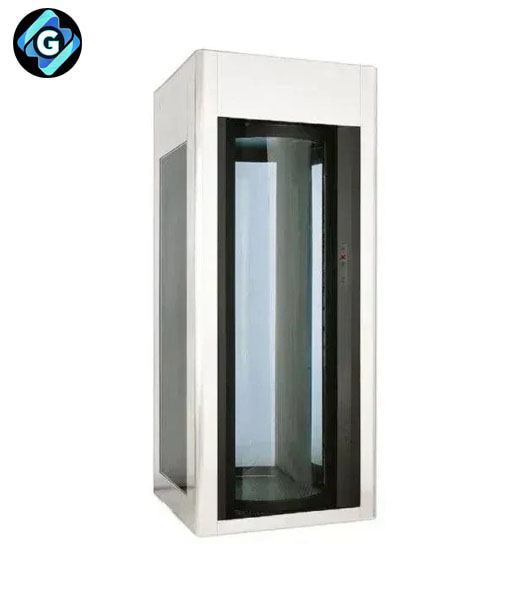
Cometa Interlocking Security Portal – High-Security Entrance Control Solution
The Cometa Interlocking Security Portal is an advanced entrance control solution designed for facilities where conventional access control systems may not provide an adequate level of physical security. Combining controlled door operation with access control integration, an interlocking security portal can help organizations manage individual entry and reduce the risk of unauthorized access to restricted areas.
Designed for high-security environments, Cometa security portals can be considered for corporate facilities, data centers, financial institutions, government buildings, laboratories, critical infrastructure, and other locations requiring strict control over pedestrian access.
What Is a Cometa Interlocking Security Portal?
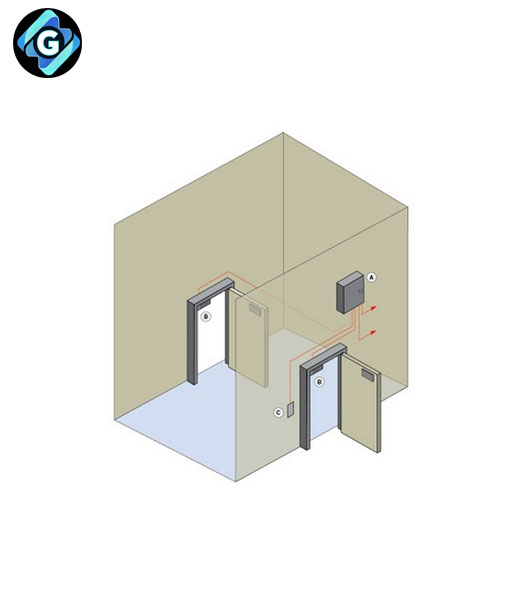
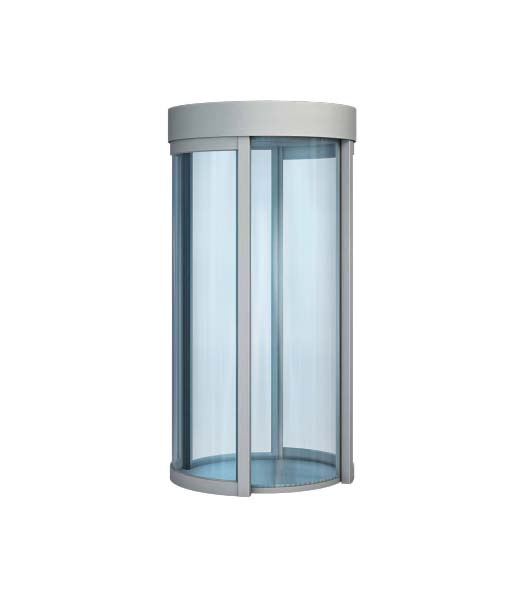
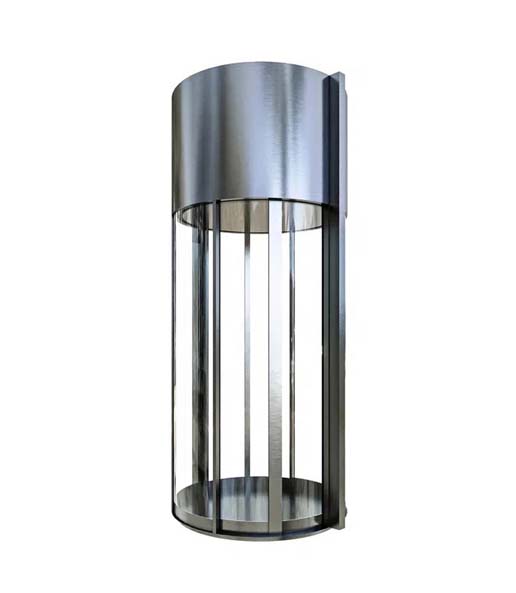
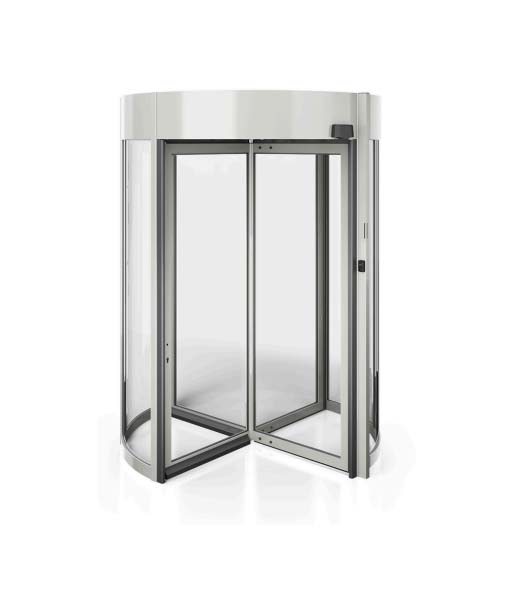
A Cometa Interlocking Security Portal is a controlled entrance system typically consisting of two doors that operate in an interlocked sequence. Instead of allowing users to move directly through a conventional access-controlled door, the individual enters a secure passage or portal before being permitted to proceed into the protected area.
The basic operating principle is straightforward: one door must be secured before the other door can be released.
This interlocking configuration creates an additional security layer between public or lower-security areas and restricted zones. Depending on the system configuration and project requirements, the portal can be integrated with technologies for identity verification, presence detection, and access authorization.
How an Interlocking Security Portal Works
The entrance process can be configured according to the security policy of each facility.
A typical sequence begins when an individual presents an authorized credential, such as an access card or another supported identification method.
The first door opens and allows the authorized individual to enter the portal. Once the user is inside, the entrance door closes and secures. The system can then perform the required verification before releasing the second door.
This controlled sequence can help prevent an unauthorized person from simply following an authorized employee through a secure entrance.
The solution may be integrated with:
- RFID card readers
- Biometric readers
- Facial recognition systems
- Access control platforms
- Security sensors
- Alarm systems
- Video surveillance systems
- Building security management platforms
The exact configuration depends on the selected portal model and security requirements.
Enhanced Protection Against Unauthorized Entry
One of the primary reasons organizations deploy a Cometa Interlocking Security Portal is to strengthen access control at sensitive entry points.
Traditional access-controlled doors can verify a credential, but physical entry may still be vulnerable to behaviors such as tailgating, where another individual follows an authorized user through the same doorway.
Applications for Cometa Security Portals
Interlocking security portals can be deployed in environments where pedestrian access must be controlled more strictly than with conventional doors or turnstiles.
Common applications include:
Data Centers
Data centers contain critical computing, networking, and storage infrastructure. Security portals can be installed at entrances to server areas or other restricted zones to strengthen physical access control.
Financial Institutions
Banks, cash-handling facilities, and other financial organizations may require controlled entrances for sensitive operational areas.
Government Facilities
Government buildings and restricted administrative facilities can use interlocking portals as part of a layered physical security strategy.
Research and Laboratories
Research facilities may contain sensitive intellectual property, equipment, materials, or controlled environments requiring strict personnel access.
Critical Infrastructure
Utilities, telecommunications facilities, transportation infrastructure, and other critical sites can use security portals to strengthen perimeter-to-interior access control.
Corporate Facilities
Organizations can deploy interlocking portals to protect executive areas, security rooms, IT infrastructure, archives, or other sensitive departments.
Integration with Access Control Systems
Modern entrance security should operate as part of a broader security ecosystem rather than as an isolated physical barrier.
The Cometa Interlocking Security Portal can be incorporated into an access control architecture where credentials and authorization rules are centrally managed.
Depending on the project, integration may involve employee cards, mobile credentials, PIN authentication, biometrics, or multi-factor authentication.
For higher-security applications, organizations may implement multiple authentication methods before final access is granted.
Integration with CCTV can further enhance situational awareness. Cameras positioned around the entrance can provide visual records of access events and help security personnel investigate incidents when required.
Benefits of Cometa Interlocking Security Portal
A properly designed interlocking security entrance can provide several advantages:
- More controlled pedestrian access.
- Additional protection against unauthorized entry.
- Support for anti-tailgating strategies.
- Integration with existing access control systems.
- Compatibility with different authentication technologies.
- Improved control of entrances to sensitive areas.
- Support for layered physical security architecture.
- Professional entrance design for corporate environments.
- Flexible configuration based on project requirements.
These capabilities make interlocking portals particularly relevant for facilities where physical security requirements exceed those of standard office entrances.
Planning an Interlocking Security Portal Installation
Before selecting a security portal, organizations should evaluate both security and operational requirements.
Important considerations include the expected number of users, required security level, authentication method, available entrance dimensions, emergency procedures, accessibility requirements, access control platform, CCTV integration, and building layout.
Traffic flow should also be considered. A high-security portal provides more controlled access, but the selected configuration should still accommodate the expected number of authorized users efficiently.
For this reason, a site survey and security assessment are recommended before determining the final system configuration.
Cometa Interlocking Security Portal for High-Security Facilities
The Cometa Interlocking Security Portal provides an effective approach for organizations seeking stronger physical access control at critical entrances. By combining an interlocking door architecture with electronic access control and optional verification technologies, the system can form an important part of a layered security strategy.
Whether deployed in a data center, corporate headquarters, financial institution, government facility, laboratory, or critical infrastructure site, the appropriate solution should be selected according to the facility’s security requirements and operational conditions.
Contact our team for more information about Cometa Interlocking Security Portal solutions, product options, pricing, and project consultation. We can help you determine a suitable entrance security configuration based on your access control requirements, site conditions, and overall physical security infrastructure.
Reviews
There are no reviews yet.